
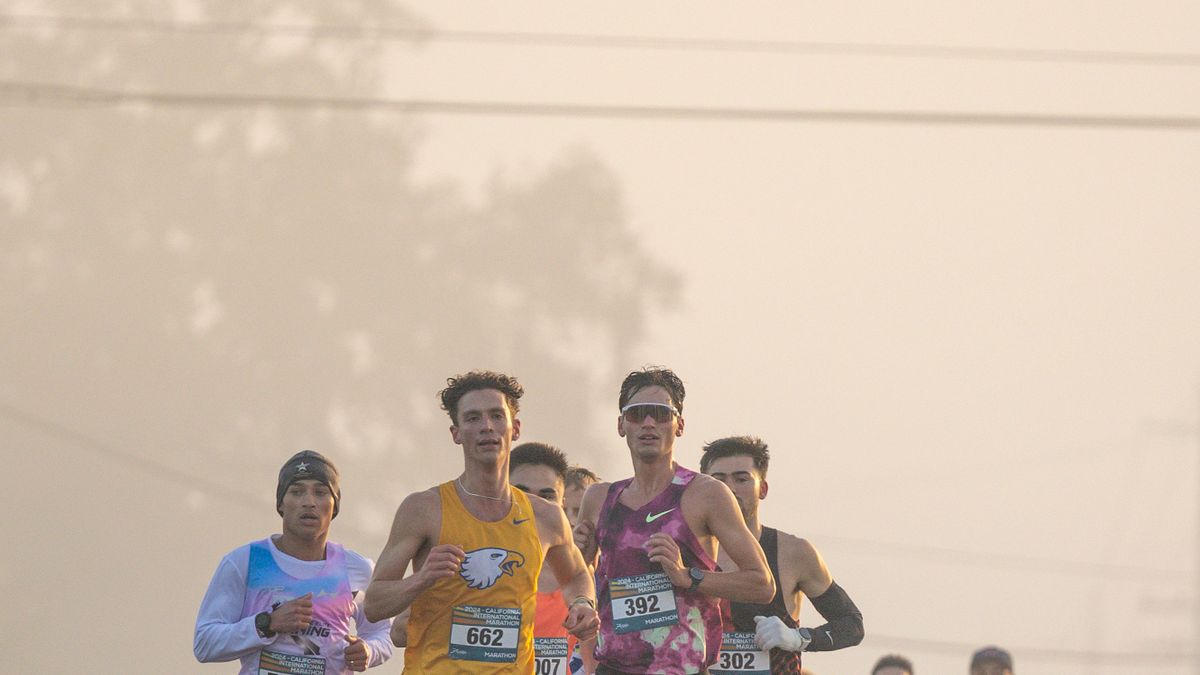
Ask most runners around Barrow what worries them about hydration and they will talk about a rare hot July afternoon. The other fifty weeks of the year, the assumption is that a grey, breezy day at eleven degrees is a free pass. It is not. Mild British conditions still cost you fluid, and on the Furness Peninsula they do it quietly, without ever making you feel thirsty.
You lose water through sweat, through breathing, and simply through time on your feet. In cool weather that sweat evaporates almost as quickly as it appears — particularly with a wind coming off the Irish Sea — so you finish a ten-miler with a dry shirt and the mistaken impression that nothing was lost. Layer up too warmly, as most of us do in October, and you can sweat at nearly the rate you would on a warm day while the thermometer insists it is practically winter.
The practical answer is simple: carry a bottle, and drink to thirst on the move.
Our local conditions have a few quirks worth knowing about.
There is no single number, but the honest ranges are useful. Most runners lose somewhere between half a litre and a litre and a half per hour. In mild Furness conditions an easy hour sits towards the lower end; a hard session or a well-wrapped long run towards the top.
Some of our best runs are also our driest.
The best bottle is the one you forget you are holding. A 500ml handheld with a soft flask sits naturally in a relaxed fist and works well for runs under ninety minutes. A waist belt suits anyone who dislikes weight in the hands, though it can bounce if you overfill it. For longer weekend outings — a full Walney to Rampside expedition, or a steady run out towards Dalton and back — a light vest with two soft flasks is the most comfortable option, and lets you carry a spare layer alongside.
Practise drinking while moving before you need it. Slowing to a shuffle for a few strides while you take three or four swallows is perfectly acceptable. It takes a couple of runs to stop inhaling it.
Thirst is a reliable guide, but in cool weather it is a lazy one. It tends to arrive late, so build a habit: on anything over an hour, plan when you will drink rather than waiting to feel like it. Set a loose fifteen-minute rhythm and let your body tell you when to adjust.
This matters most on the social runs, where chatting can carry you past three or four miles without a single thought about fluid — and where the group sets a pace often sharper than you would choose alone. Fill your bottle at the start, agree a route that suits the slowest runner, and keep an eye on anyone who has gone quiet. On the Furness Peninsula the weather rarely shouts at you, which is exactly why our hydration habits need to be a little louder.

Hi, my name is Anthony kuber. I am artist and fashion designer.
I love to travel and writing blogging.
Your email address will not be published. Required fields are marked *
Software Developer & Writer
Hey, I'm Diva, a developer and writer blending code and creativity. I'm driven by a deep curiosity and a relentless pursuit of excellence. Join me as I craft digital solutions and captivating stories.


