
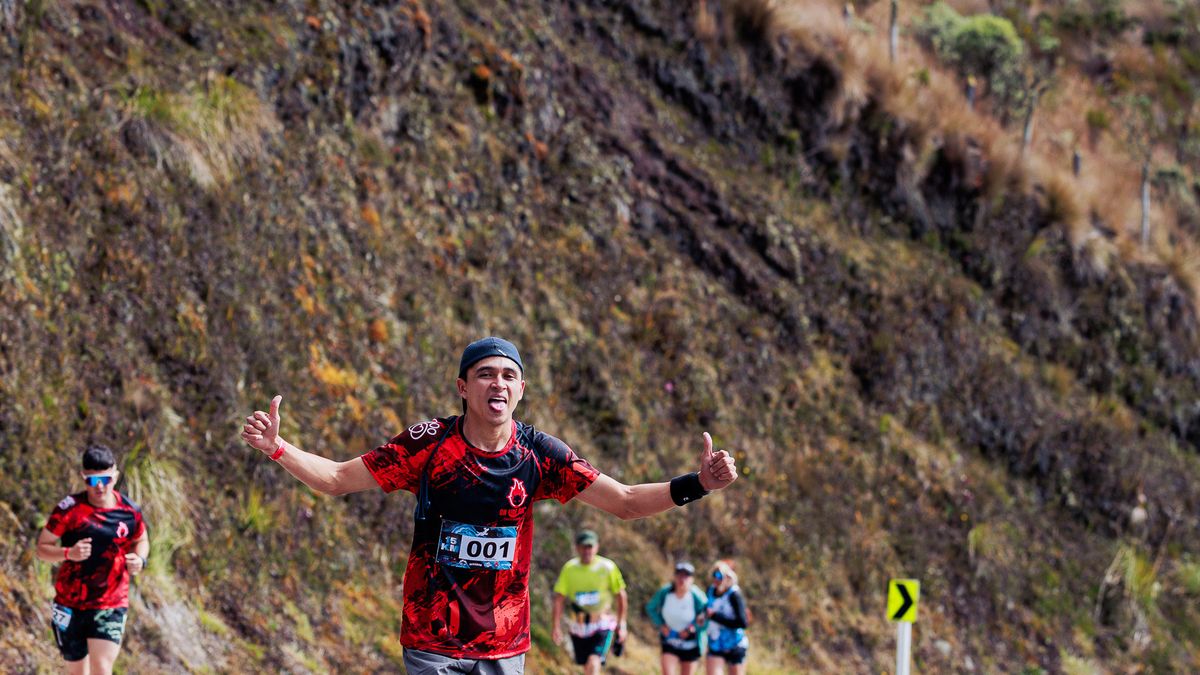
If you run regularly around Barrow-in-Furness and the Furness Peninsula, you already know the truth of it: the ground is rarely dry. From the sandstone tracks near Furness Abbey to the muddy climb up onto Birkrigg Common, and the perpetually damp sections of the Cumbria Coastal Way, wet ground is our default. That means the shoes that work beautifully on a dry path in July may leave you skating in January. Picking the right pair deserves more thought than a quick look at the price tag.
The terrain on our doorstep is unusually varied for a relatively small area. Within a single loop from town, you might cross wet limestone, slick boardwalk, grass verges, root-tangled woodland trail and patches of standing water that never quite drain. Fell paths around Great Burney and the slopes above Dalton hold moisture for days after rain, and coastal routes can be greasy with algae where the tide has been.
Standard road shoes, with their shallow lugs and smooth outer rubber, simply don't cope. And a heavily cushioned trail shoe designed for dry, rocky trails can be just as much of a liability when it's slick. What you need is a shoe tuned to damp, mixed ground — and that means looking closely at grip, water handling and cushioning rather than brand loyalty.
On wet Cumbrian paths, tread pattern and rubber compound are the difference between a confident descent and a bruised hip. Lugs matter, but depth alone isn't the whole story. Around four to six millimetres is usually plenty for the mixed ground we have here; anything much deeper feels clumsy on hardpack and the short sections of tarmac you'll inevitably run.
If you run the same routes all winter, one dedicated mud-and-rock shoe is worth more than two compromised pairs. Many local runners keep a grippier shoe purely for the wetter months from October through to April.
A waterproof membrane sounds like the obvious answer for a Cumbrian winter, but it isn't always. A waterproof shoe keeps water out — until it comes in over the collar on a stream crossing or a deep bog, and then it keeps water in, stewing your feet for the rest of the run.
Where waterproofing genuinely earns its place is on cold, wet grass, shallow puddles and long coastal runs where you're not going deep. On fell routes with stream crossings and knee-high bog, a fast-draining shoe with a mesh upper and good drainage ports will often leave you more comfortable, because it lets water out as quickly as it lets it in.
Cold, wet feet swell slightly and get more tired than dry ones, and tired feet lose their natural stability. That's an argument for a little more cushioning in winter than you might run in summer, and for paying attention to how the shoe holds your foot overall.
Plenty of cushioning is welcome on the hardpack sections of the Coastal Way, but too much soft foam on wet rock and roots can feel vague and uncontrolled. Look for a shoe that's cushioned underfoot without being squishy, and that has a reasonably firm heel counter and a secure midfoot hold. A snug-fitting heel and lacing that lets you adjust midfoot pressure are more useful in mud than any stability technology on paper.
Runners prone to rolling ankles on our uneven ground should also look at the shoe's overall platform width and torsional stiffness. A slightly stiffer shoe with a broad forefoot spreads the load on wet, uneven ground, and rocks and roots don't press through to the sole as sharply.
Trail shoes fit differently from road shoes, and winter adds another wrinkle: thick socks. If you commit to a waterproof winter pair, try them on with the socks you'll actually wear in January, not thin summer ones.
If you want one pair to handle most of what Barrow and the peninsula throw at you, aim for a moderately cushioned trail shoe with sticky rubber, four to five millimetre angled lugs, a breathable upper and a secure heel. That combination will cope with wet limestone, muddy common tracks, greasy boardwalk and the odd stretch of tarmac on the way home.
If your runs are mostly canal path and road with occasional off-road, a waterproof upper makes sense. If you're heading for the fells in the depths of winter, prioritise grip and drainage above all else.
Above all, buy for the worst conditions you'll genuinely run in, not the best. Here on the Furness Peninsula, that's usually a wet Wednesday in November — and a shoe that keeps you upright and comfortable then will serve you well all year round.

Hi, my name is Anthony kuber. I am artist and fashion designer.
I love to travel and writing blogging.
Your email address will not be published. Required fields are marked *
Software Developer & Writer
Hey, I'm Diva, a developer and writer blending code and creativity. I'm driven by a deep curiosity and a relentless pursuit of excellence. Join me as I craft digital solutions and captivating stories.


