
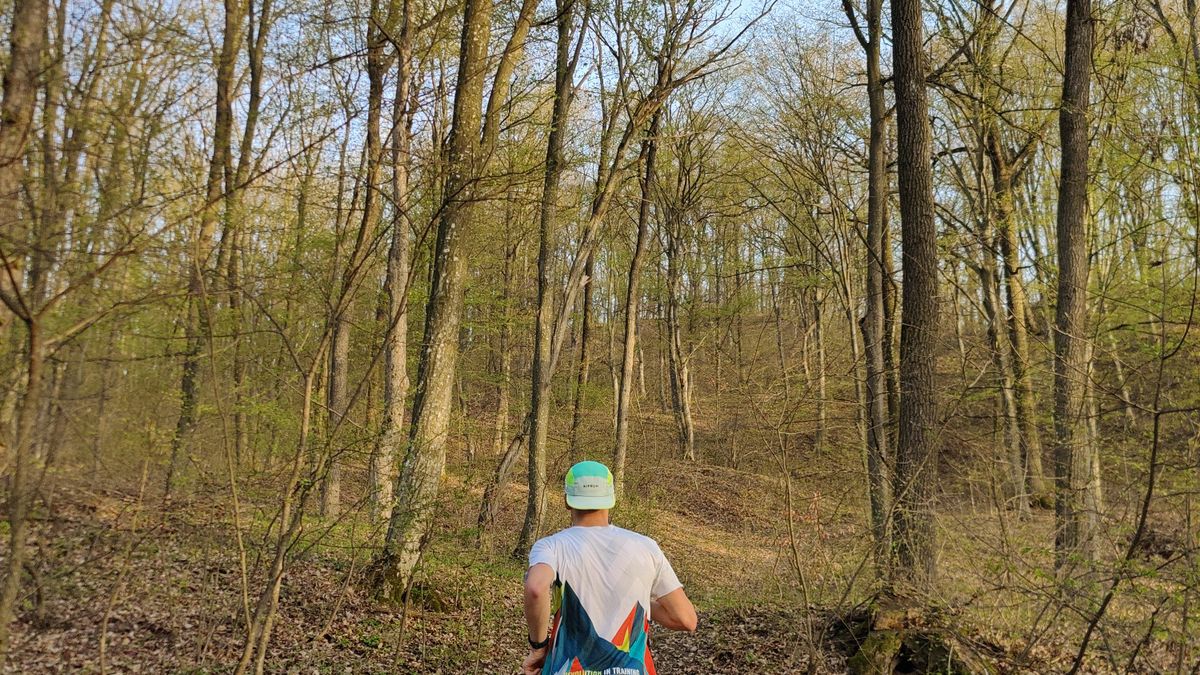
Ask any runner on the Furness Peninsula where to find a honest climb within twenty minutes of Barrow and you will hear the same answer: Birkrigg. The common rises to around 136 metres above sea level, and while that may not sound dramatic, the pulls onto it are short, steep and plentiful enough to build real leg power and aerobic fitness without ever needing a track or a treadmill.
The beauty of the place is its variety. Limestone grassland, worn paths, a few rocky patches and the trig point on top give you almost every gradient you could want. Drainage is excellent, which matters in a coastal climate where many low-lying routes turn boggy from October onwards. And the reward at the top — Morecambe Bay opening out to the west, Black Combe to the north, the Coniston fells beyond — makes even the hardest set feel worth finishing.
Before you commit to a session, walk or jog the options and pick a slope that matches your goal.
Whatever you choose, check the surface first. Loose limestone and embedded rock are fine in dry conditions but demand care when wet. Give livestock plenty of room, keep to established paths where the ground is fragile, and remember that this is common land shared with walkers, dog owners and grazing animals.
Allow a proper warm-up: fifteen minutes of easy running, ideally finishing on the flatter ground near the common, followed by some dynamic drills and three short strides to wake the legs up.
For most runners, a session of three sets of four reps works well. Each rep should take 60 to 75 seconds at a hard but controlled effort — think of it as the pace you could just about hold for a mile, not an all-out sprint. Jog or walk back down for 90 to 120 seconds, then take three minutes of easy running between sets. If you are new to hill work, start with six reps of 45 seconds and build from there over several weeks.
Finish with ten to fifteen minutes of easy jogging and a few calf and hip stretches. The descent is where tired legs get punished, so keep it relaxed rather than racing back down.
Hill reps reward good form, and they also expose bad habits quickly. Keep these points in mind:
Aim for even pacing. The first rep should feel almost too easy; the last should be the hardest. Blowing up on rep two is the most common mistake on this hill.
One hill session per week is plenty for most runners. Slot it in on a Tuesday or Wednesday, well away from your long run and at least three days before a race or a hard tempo session. A six to eight week block will deliver noticeable gains in running economy, leg strength and confidence on undulating courses.
Progress sensibly: add a rep before you add speed. Once you can complete twelve reps comfortably, either increase the gradient, shorten the recovery, or lengthen the reps slightly. When a race approaches, cut the volume by half in the final fortnight but keep the intensity — the sharpening effect is worth it.
The Furness running scene is in good health. Club training nights across Barrow and Ulverston regularly send groups out towards the common, and the Saturday morning free 5k continues to draw strong fields, with volunteers always welcome. If you are training for an autumn half or a winter fell race, a midweek hill session on Birkrigg is one of the best investments you can make.
Do your bit while you are up there. Take litter home, close gates behind you, keep dogs under control around the sheep and cattle, and give ground-nesting birds a wide berth in spring. Car sharing from town is easy and eases pressure on the roadside verges.
See you on the climb.

Hi, my name is Anthony kuber. I am artist and fashion designer.
I love to travel and writing blogging.
Your email address will not be published. Required fields are marked *
Software Developer & Writer
Hey, I'm Diva, a developer and writer blending code and creativity. I'm driven by a deep curiosity and a relentless pursuit of excellence. Join me as I craft digital solutions and captivating stories.


